
Human Health of the Future: Science, Technology, Innovation, and a New Approach to Body Recovery
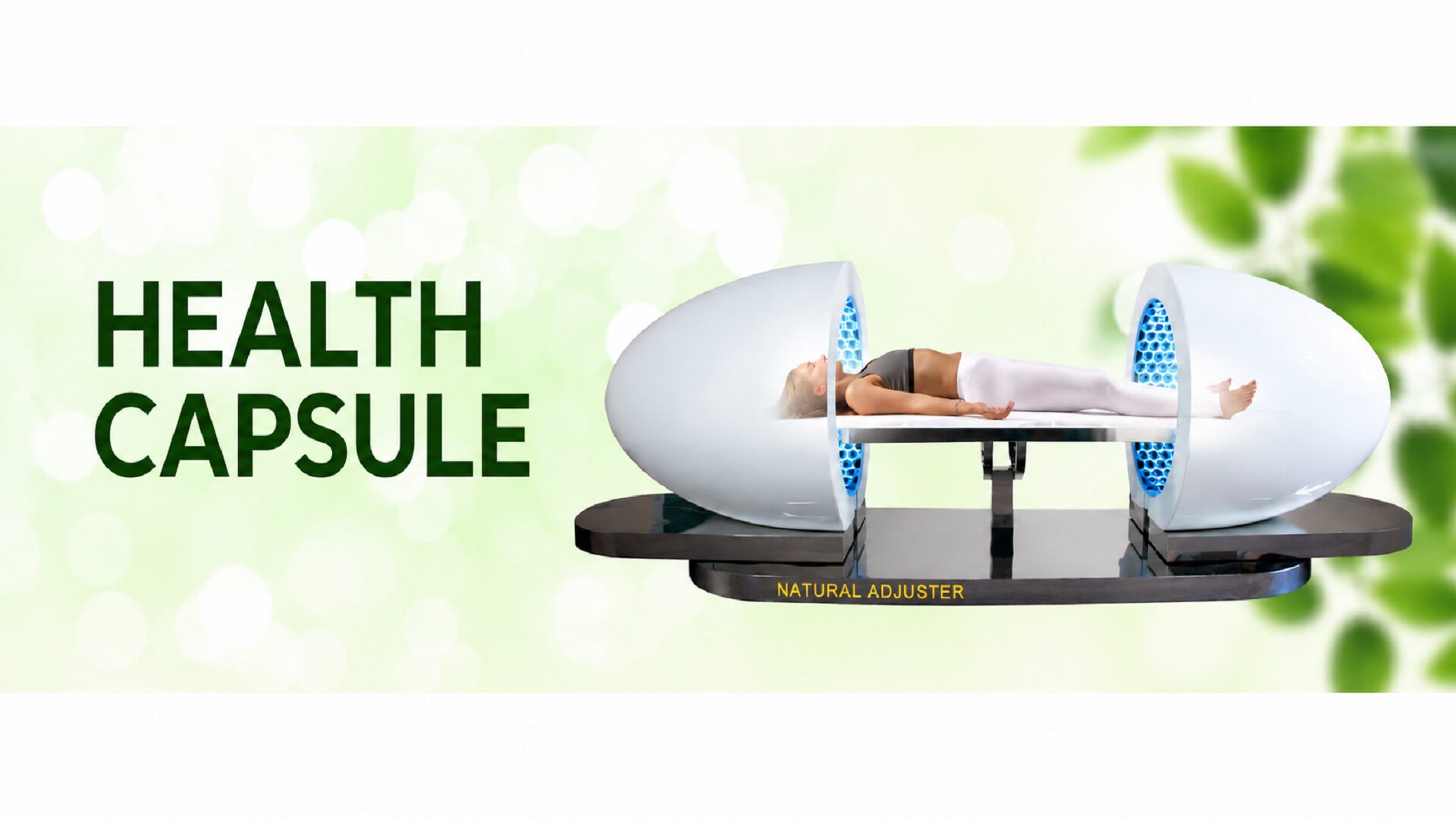
What will the human of the future be like? Healthier, more energetic, and resilient to stress? Or, on the contrary, technologically advanced yet increasingly dependent on external systems and digital environments?
Today, this question extends far beyond the realm of science fiction. Rapid developments in medicine, biotechnology, artificial intelligence, novel materials, and engineering solutions are gradually transforming our understanding of health and the ultimate capabilities of the human organism.
We are witnessing a fundamental transition from a traditional approach to health toward a more comprehensive model that prioritizes prevention, body recovery, quality of life, and personalized human characteristics.
It is precisely at the intersection of science, technology, and an in-depth understanding of human nature that a new perspective on the health of the future is taking shape.
Future Health Is More Than Just Treating Illness
For many years, medicine focused primarily on fighting diseases that had already manifested. However, the modern approach increasingly directs its attention toward prevention and sustaining the body’s innate capacity for self-recovery and adaptation.
Human health is simultaneously influenced by a multitude of interconnected factors:
-
Physical activity and movement
-
Quality of sleep
-
Balanced nutrition
-
Stress levels
-
State of the nervous system
-
Psycho-emotional well-being
-
Environmental factors
-
The body’s ability to adapt to physical and mental strain
Consequently, the modern understanding of health is becoming progressively holistic. The human body is a complex system where processes never occur in isolation – changes in one system inevitably reflect on the state of others. That is why promising health technologies are increasingly evaluated not merely by their impact on an isolated symptom, but by how effectively they create optimal conditions for systemic recovery and adaptation.
Science and Technology: Exploring New Horizons
Technological advancement is opening groundbreaking avenues for researchers. Today, scientists actively explore various physical factors, physical therapy methods, and rehabilitation techniques – examining the influence of light, sound, electromagnetic fields, and other physical factors on biological systems.
In parallel, health monitoring technologies, artificial intelligence, digital medicine, and personalized therapeutic approaches are advancing rapidly.
However, the core principle remains grounded in scientific rigor:
Hypothesis → Research → Development → Testing → Data Collection → Performance Evaluation → Implementation
It is precisely this structured methodology that allows an intriguing idea to transform into a practical technology capable of real-world application. The future of health cannot be built on attractive concepts alone; it demands a synergy of scientific inquiry, engineering excellence, clinical expertise, and a responsible commitment to evidence-based results.
From Concept to Innovation
Every innovative technology begins with a compelling question:
-
Is it possible to approach this differently?
-
Can we better assist the body in its natural recovery process?
-
How can we create a more comfortable environment for physical rehabilitation?
-
Can multiple physical modalities be integrated into a single, cohesive system?
The answers to these questions mark the beginning of an extensive research and engineering journey. This is how innovative systems and devices come to life: a dedicated team formulates the goal, analyzes existing scientific knowledge, develops a core concept, constructs a prototype, tests it, and continuously refines the solution.
Thus, an innovation is not merely a finished product – it represents the entire journey from initial concept to practical application.
In Ukraine today, highlighting this journey is especially vital. Ukrainian engineers, researchers, and entrepreneurs continue to innovate and create new technologies despite challenging conditions. This experience fosters a unique culture of technological resilience and creative problem-solving.
The Human of the Future and a New Health Culture
Perhaps one of the most profound shifts of the future will be a transformation in how individuals relate to their own health. People will no longer seek assistance only when a critical problem arises; instead, they will proactively learn to understand their body’s internal state.
The primary focus will shift toward: prevention, recovery, adaptation, quality of life, and preserving the functional potential of the organism.
Furthermore, future health cannot be viewed solely as a physical attribute. The modern individual exists amid a constant flow of information, rapid decision-making demands, and intense emotional strain. As a result, restoring the nervous system, maintaining psycho-emotional balance, optimizing sleep, and fostering the ability to deeply relax are becoming increasingly crucial.
Next-generation technologies are poised to become an integral part of this new health culture—not replacing medical care, but enriching a comprehensive approach to body recovery, wellness, and holistic rehabilitation.